Emotional Intelligence and Leadership in Organizations
Overview
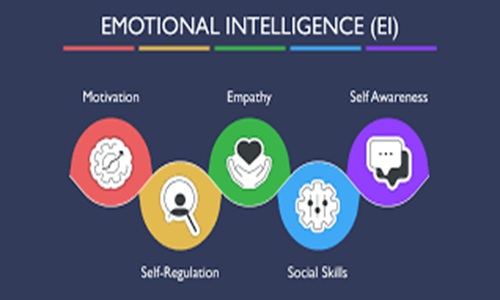
Emotional Intelligence and Leadership is a practical, skills-based course designed to help managers and aspiring leaders enhance self-awareness, empathy, resilience, and decision-making effectiveness. People with well-developed emotional skills are not only more productive but also more satisfied and effective in their personal and professional lives. Emotional intelligence (EQ) enables individuals to integrate thinking and feelings, working in harmony with cognitive intelligence to become more balanced and successful. This course equips participants with the emotional and social competencies needed to lead high-performing teams, manage change, resolve conflict, and build authentic workplace relationships through interactive learning and real-world leadership scenarios.Target Audience
This course is ideal for you if you are a manager who is seeking to lead and manage high performing teams. The training course is suitable to a wide range of management professionals as well as aspiring managers.Learning Outcomes / Objectives
By the end of this course, participants will be able to:- Gain insight into their emotional intelligence – how they view themselves and how others perceive them.
- Understand their emotions and ‘trigger points’ and harness them for improved outcomes at work.
- Examine and challenge entrenched ideas and self-limiting behaviors.
- Use improved social, empathetic, and listening skills to build stronger relationships.
- Bring IQ and EQ into greater harmony to make more considered and effective business decisions.
- Apply the skills learned to build resilience and manage stress.
Duration
5 daysModules / Course Content
Module 1: Introduction to Emotional Intelligence- Origin of Emotional Intelligence (EI) concept
- Other related concepts: leadership, perception, psychology, etc
- Understanding personality and developing self-awareness
- Importance of openness to new ideas from team members
- Introduction to leadership
- Leadership styles
- Understanding personality styles for teamwork
- How to optimize personality strengths
- Emotional stress management
- High EQ leadership
- How to enhance self-awareness
- How to increase levels of social awareness (empathy)
- Tasks and responsibilities delegation
- Self -management and leading others
- Influencing and inspiring people
- Importance of EQ to team effectiveness
- Motivating a high-performance team
- Building unified teams
- Stages of human development
- EQ For building trusting relationship
- Psychology of persuasion
- Creating an inspiring vision
- How to flow with different personality styles
- Practicing leadership integrity
- Developing an action plan
- Stages of team development
- The sociology of the team
- Characteristics of high-performing teams
- Balancing different team roles and personality types
- Non-traditional team structures
- Delegation and empowerment
- Personality types and the mix needed for success
- Building a coherent team
- Self-managing teams and their challenges
- Coaching, mentoring and self-directed learning
- Feedback and appraisal
- Leveraging team strengths for peak performance
- Defining performance
- Approaches to measuring team and individual performance
- Performance management: science or art?
- Giving and receiving feedback effectively
- Conflict as a catalyst for team development
- Dealing with challenging interpersonal relations
Training Methodology
The course will employ a hands-on, practical approach to ensure participants develop both conceptual understanding and technical proficiency. Each module will integrate interactive lectures, guided software demonstrations, and individual or group exercises based on real-world illustrations. Participants will receive continuous feedback and personalized coaching to reinforce learning. By the end of the training, they will have completed a mini project that demonstrates their ability to apply the acquired skills in a practical context.More Details
Upon successful completion of this course, participants will be issued a certificate.Registration
Registration as an individual (Onsite course delivery)
Click on the Register button aligned with your course dates and venue from the table provided.
Click on the Register button aligned with your course dates and venue from the table provided.