Influence, Negotiation and Communication Skills in Organizational Management
Overview
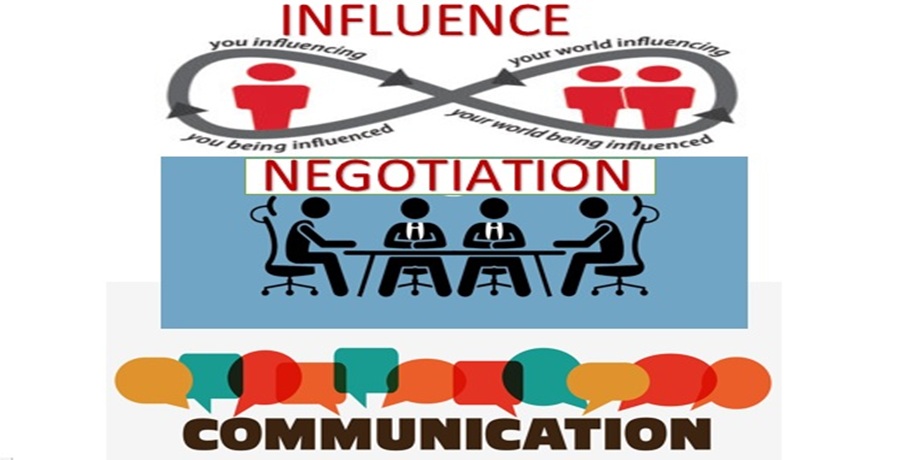
Every organization operates within a network of individuals and groups with an interest in its actions and outcomes—its stakeholders. Gaining and sustaining stakeholder support is critical for organizational success. This practical and interactive course focuses on the theory and practice of influencing, negotiating, and communicating effectively within organizational contexts. Participants will develop the skills required to build productive relationships, manage resistance, negotiate win–win outcomes, and lead change through effective stakeholder engagement.Target Audience
Project and programme managers, organizational leaders, change managers, HR professionals, and professionals seeking to strengthen communication, negotiation, and influence skills.Learning Outcomes / Objectives
By the end of this course, participants will be able to:- Apply critical approaches to stakeholder management.
- Use effective methods of influence in organizational settings.
- Apply psychological communication theory to projects and programmes.
- Select and apply appropriate negotiation techniques for different situations.
- Design and implement stakeholder engagement strategies.
- Manage stakeholders effectively and sustainably.
- Identify and reduce communication barriers.
- Lead organizational change through relationship-based influence.
- Build and sustain productive stakeholder relationships.
- Apply people engagement techniques in real-world contexts.
Duration
5 daysModules / Course Content
Module 1: Foundations of Negotiation and Influencing Introduction to Negotiation and Influencing- Definition of negotiation and influencing
- Types of influencing and negotiation
- Differences between negotiation and influencing
- Principles of influence
- Negotiation process: preparation, information exchange, bargaining, and closing
- Alternatives to negotiation
- Skills and qualities of effective influencers
- Communication dynamics in influencing
- Covert versus overt influencing and negotiation
- Challenging opposing views
- Handling objections
- Identifying common ground
- Defining negotiation objectives
- Planning to negotiate
- Key variables and power dynamics
- Structuring a negotiation meeting
- Negotiation styles and techniques
- Win–win negotiation: reality versus myth
- Negotiation tactics, tools, and techniques
- Maximizing communication effectiveness
- Role of words and tone of voice
- Assertive behavior in negotiation
- Making a compelling case
- Understanding resistance
- Conflict management techniques
- Questioning and listening skills
- Rapport and relationship-building
- Self-presentation and charisma
- Understanding others in negotiation contexts
- Recognizing personal and others’ negotiation preferences
- Impact of different negotiation styles
- Structuring negotiation proposals
- Countering proposals
- Role of body language and tone
- Persuasion and assertiveness in debate
- Making and managing concessions
- Counteracting arguments
- Reaching agreement and closure
- Gaining attention, cooperation, and trust
- Adapting influencing styles
- Viewing situations from multiple perspectives
- Achieving win–win outcomes
- Managing power dynamics in teams and partnerships
- Influencing authority figures
- Staying in control and avoiding manipulation
- Cultural, gender, and ethical considerations
- Psychological barriers
- Structural barriers and multi-party negotiations
- Strategic barriers and difficult negotiation tactics
- Influencing and negotiation in multicultural environments
- Influencing across functional teams
- Real-world organizational negotiation scenarios
- Lessons learned and best practices
Training Methodology
The course will employ a hands-on, practical approach to ensure participants develop both conceptual understanding and technical proficiency. Each module will integrate interactive lectures, guided software demonstrations, and individual or group exercises based on real-world illustrations. Participants will receive continuous feedback and personalized coaching to reinforce learning. By the end of the training, they will have completed a mini project that demonstrates their ability to apply the acquired skills in a practical context.More Details
Upon successful completion of this course, participants will be issued a certificate.Registration
Registration as an individual (Onsite course delivery)
Click on the Register button aligned with your course dates and venue from the table provided.
Click on the Register button aligned with your course dates and venue from the table provided.